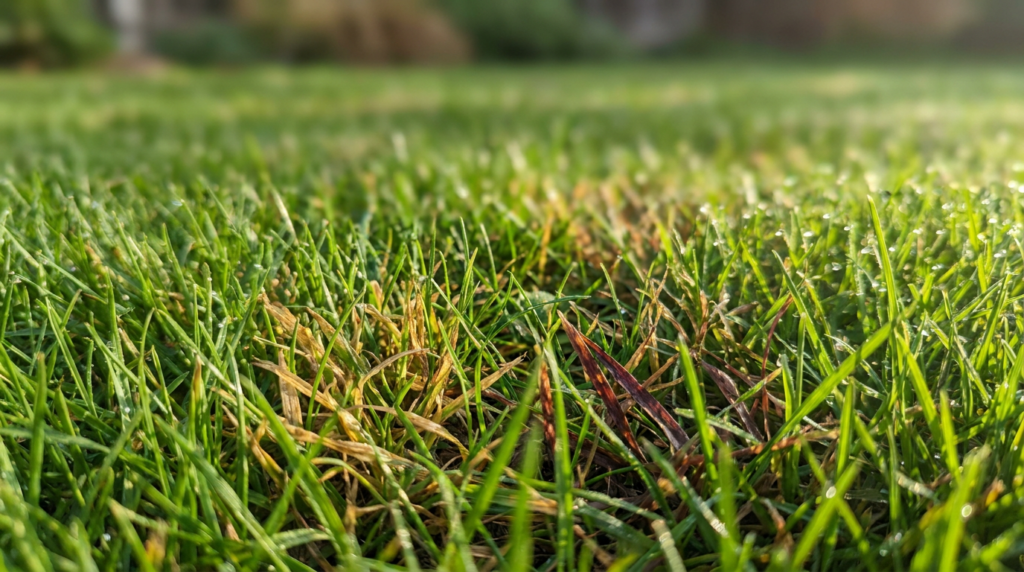

Dealing with grubs can turn your lush lawn into a patchy, brown mess. These underground pests silently destroy turf roots, leaving homeowners and property managers frustrated by damage that’s often mistaken for drought. Knowing how to identify, prevent, and treat grubs is critical for maintaining a healthy landscape, especially here in Northern Utah, where they thrive. This guide answers your most pressing questions about grub control and prevention, helping you protect your lawn investment.
Quick Answer
Grub control is most effective when applied proactively in late spring or early summer to target newly hatched grubs. While October is generally too late for preventative treatments, curative applications can still offer some control. Early identification of damage and understanding its life cycle are critical for choosing the right treatment strategy, whether chemical or organic. Professional services ensure precise application and long-term prevention.
Table of Contents
- Understanding Grubs: What Are They and Why Are They a Threat?
- When is the Best Time for Grub Control and Prevention?
- Effective Grub Control and Prevention Methods
- Applying Grub Control Products Safely and Effectively
- Preventing Grubs: Long-Term Strategies
- Frequently Asked Questions About Grub Control (general)
Understanding Grubs: What Are They and Why Are They a Threat?
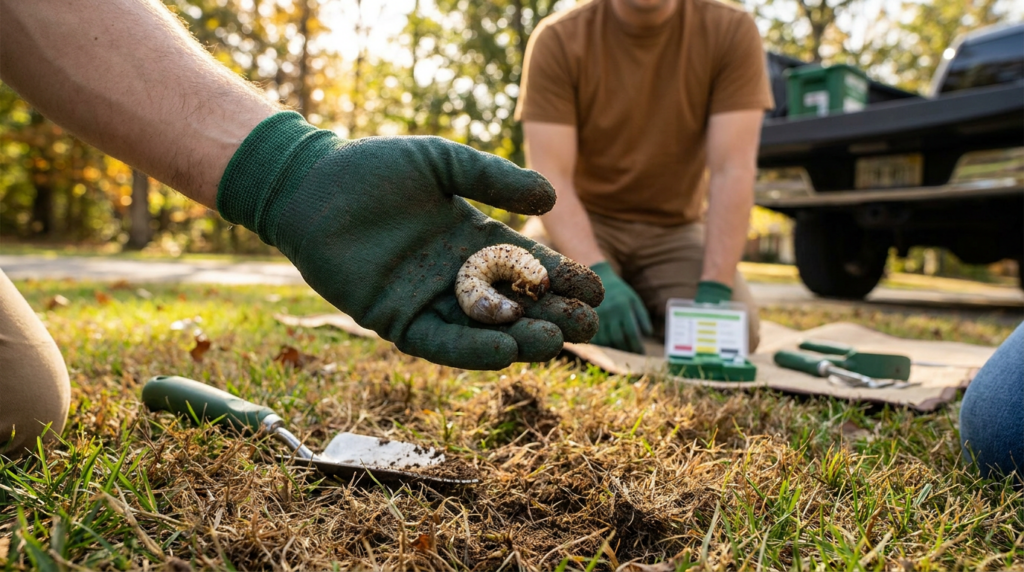
Grubs are the larval stage of various beetles, including the Japanese beetle, May beetle, and European chafer, and they pose a significant threat to your lawn’s health. These C-shaped, creamy-white larvae chew on grass roots, severing the plant from its water and nutrient supply. We have seen firsthand how quickly grubs can devastate an entire property’s turf if left unchecked.
What are grubs and their life cycle?
Grubs are the immature form of beetles that spend most of their lives underground, feeding on grass roots. Their life cycle typically spans a year, beginning when adult beetles lay eggs in the soil during summer. The eggs hatch into small grubs in late summer to early fall, which then feed aggressively on roots until cooler temperatures drive them deeper into the soil for winter. In spring, they move closer to the surface to continue feeding before pupating and emerging as adult beetles, perpetuating the cycle. This underground activity makes them particularly insidious, as damage often isn’t visible until it’s extensive.
How do you identify grub damage in your lawn?
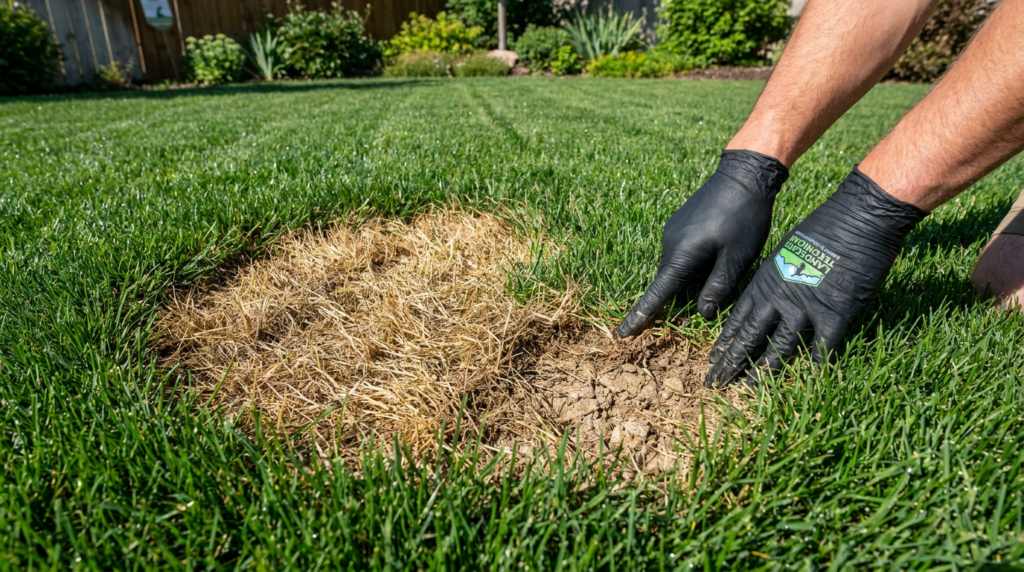
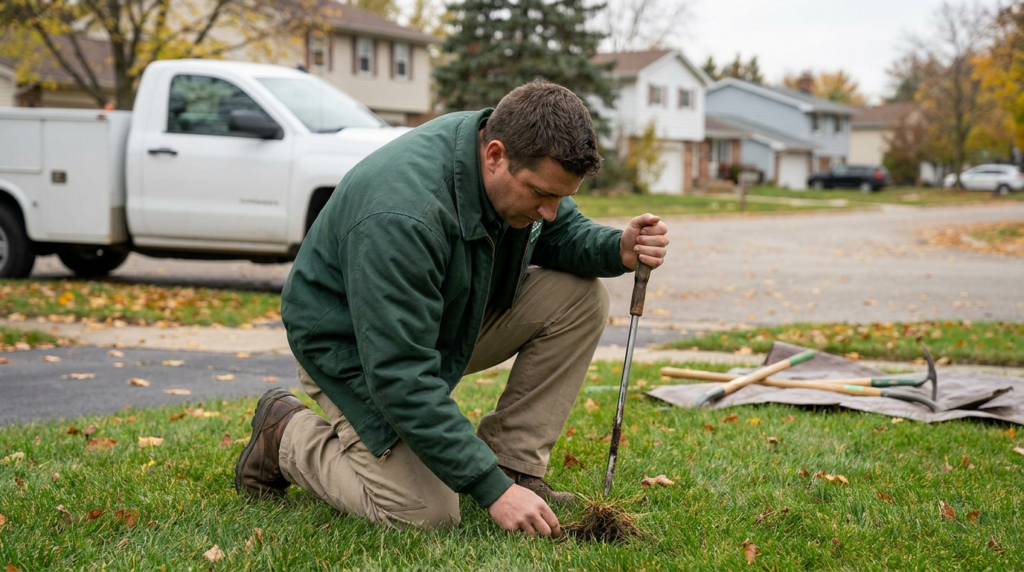
Grub damage often appears as irregular brown patches in your lawn, resembling drought stress or fungal disease. Unlike drought, grub-damaged turf pulls back easily like a loose carpet because the roots are gone. You might also notice an increase in grub-eating animals like raccoons, skunks, or birds digging up your lawn in search of a meal. “Our lawn never looked better!” Reviews from customers like Larry Donnelly highlight the difference a healthy, grub-free lawn can make to curb appeal. If you suspect grub activity, dig a small section of turf about 6 inches deep and wide; seeing five or more grubs per square foot indicates an infestation needing treatment.
When is the Best Time for Grub Control and Prevention?
Timing is critical for effective grub control, as treatments target specific stages of the grub life cycle. Applying products at the wrong time can waste money and leave your lawn vulnerable. Our 25 years of experience in Northern Utah have taught us the precise windows for maximum efficacy.
What month should you put down grub control?
The ideal time for preventative grub control is typically late spring (May to early June) or early summer (July). This timing allows the active ingredient to move into the root zone, where newly hatched grubs will begin feeding. Treatments applied during this window target these young, vulnerable grubs before they can cause significant damage. According to the Utah State University Extension, this period aligns with the egg-laying and early larval stages of common lawn beetles.
Is October too late to kill grubs?
Yes, October is generally too late for preventative grub control. By autumn, grubs are larger, more mature, and have already caused significant damage, feeding all summer. Preventative products are less effective on these larger grubs. Curative products can still be applied in October if you have an active infestation, but their effectiveness is reduced, and they will likely only kill some of the older, hardier grubs. This leads to less satisfactory results and may require more intensive spring treatments.
Distinguishing between preventative and curative treatments
Preventative grub control uses an insecticide that remains active in the soil for an extended period, killing newly hatched grubs as they begin to feed. This treatment is highly effective when applied in late spring or early summer, before any significant damage occurs. Curative treatments, on the other hand, are designed to quickly knock down existing grub populations. These are used when damage is already evident, typically in late summer or early fall, but are less efficient against mature grubs and require immediate watering to move the product into the root zone. Our custom-blended treatments are tailored to the specific application.
Pro Tip: Most grubs will move deep into the soil after the first frost, making them almost impossible to treat effectively until spring, when they return to the surface.
Effective Grub Control and Prevention Methods
Choosing the right grub control method depends on the severity of your infestation, environmental considerations, and your lawn care philosophy. We offer complete solutions that address both immediate threats and long-term prevention.
What kills grubs immediately?
When you need to stop grub damage fast, contact insecticides are the most effective solution for immediate grub kill. Products containing active ingredients such as trichlorfon or carbaryl work on contact, providing a quick knockdown of existing grubs. These are curative treatments and should be applied when grubs are actively feeding near the soil surface, typically late summer through early fall. Follow application instructions precisely to ensure safety and effectiveness.
Is preventative grub control worth it?
Preventative grub control is absolutely worth the investment for a healthy, vibrant lawn. It saves you money and heartache by stopping damage before it starts. Preventative treatments are typically less expensive than curative options and much more effective at preventing the extensive damage that can require costly reseeding or sod replacement. “Been using these guys for 17 years. Absolutely recommend them!” says Tyler Talbot, a testament to the long-term benefits of consistent, preventative care. Our flexible lawn care packages, which include preventative grub control, can save you 10% when you sign up for a full-season plan.
Chemical grub control options
Chemical grub control products provide reliable protection against infestations. Preventative options often contain active ingredients like chlorantraniliprole or imidacloprid, which offer season-long control. These are applied in late spring or early summer to prevent eggs from hatching or to kill young grubs. Curative options, such as those with trichlorfon, are used to eliminate existing grub populations. We carefully select and apply EPA-approved products, ensuring effective control while prioritizing safety for your family and pets.
Organic and natural grub prevention methods
For environmentally conscious property owners seeking alternatives to synthetic chemicals, several organic and natural methods can help prevent grubs. Beneficial nematodes, microscopic worms that parasitize grubs, are a popular choice. They are highly effective when applied to moist soil in late summer/early fall when grubs are small. Milky spore is another natural option, although it can take several years of consistent application to build up effective concentrations in the soil. Maintaining a healthy lawn through proper watering and fertilization also helps grass tolerate minor grub feeding more effectively. For expert guidance on balancing effectiveness with ecological responsibility, check out our blog for more insights.
Applying Grub Control Products Safely and Effectively
Proper application of grub control products is essential for both effectiveness and safety. Mistakes in application can lead to poor results, wasted product, or unnecessary risks. Our professional team handles these applications with precision, ensuring the best outcomes.
Tips for proper application of grub control
Always read and follow the product label directions carefully. This includes wearing appropriate personal protective equipment (PPE), such as gloves and eye protection. Apply granular products evenly with a spreader to avoid “hot spots” that can damage your lawn. For liquid products, use a sprayer for uniform coverage. Timing is critical; apply preventive products in late spring/early summer and curative products in late summer/early fall, when grubs are feeding near the surface. Proper watering immediately after application is often required to move the active ingredients into the soil where grubs live.
What to do after applying grub control
After applying grub control, water your lawn thoroughly unless the product label specifically instructs otherwise. This moves the active ingredients into the root zone, making them accessible to grubs. Keep children and pets off the treated area until it has dried, as directed by the product label. Monitor your lawn for signs of recovery or continued grub activity over the following weeks. Consistent follow-up and monitoring are part of our long-term management strategies, ensuring your lawn thrives.
Preventing Grubs: Long-Term Strategies
Effective grub management extends beyond single treatments; it involves adopting ongoing practices that promote a resilient, healthy lawn less susceptible to grub infestations. Our approach focuses on sustainable vibrancy and resilience.
Cultural practices for grub prevention
A healthy lawn is your best defense against grubs. Maintain a mowing height of 2.5-3 inches, which encourages deeper root growth and provides natural insulation against beetle egg-laying. Proper watering, especially during dry spells, keeps your lawn vigorous and better able to withstand minor feeding. Aeration, available as part of our professional services in Ogden, UT, can also improve soil health and water penetration, fostering stronger roots. By consistently promoting vigorous turf growth, you create an environment less appealing for beetle egg-laying and more tolerant of any grub activity.
When to consider professional grub control and prevention services
If you’re struggling with recurring grub problems, extensive lawn damage, or simply want the peace of mind that comes with expert care, professional services are the answer. We have over two decades of professional experience in Weber County and across Northern Utah. Our team provides custom-blended lawn treatments designed to address the unique needs of your specific lawn, including targeted grub prevention and control. “Great small and local business to work with,” notes customer TroutGuy70, praising our knowledgeable staff who “take the extra step to help educate you.” We offer free estimates for our flexible lawn care packages, making it easy to protect your lawn without long-term contracts.
Frequently Asked Questions About Grub Control (general)
Getting answers to common questions helps property owners make informed decisions about protecting their lawns. We aim to be transparent and informative, helping you understand the details of grub control.
Contact the Experts
A beautiful, grub-free lawn enhances your home’s curb appeal and provides a more enjoyable outdoor space. Our 25 years of experience mean we understand Western Weber’s unique climate and pest challenges. We provide complete solutions, from preventative treatments to targeted pest control, delivered with reliable service that many customers have trusted for years, like Kevin Johnson, who says, “Been with these guys for years, always take care of all of my needs/concerns.” Protect your investment and enjoy the peace of mind that comes with a healthy landscape. Arrange a free estimate for our professional grub control and prevention services today.
The Bottom Line
Effective grub control is a year-round commitment, not a singular event. Prioritize preventative treatments in late spring/early summer. Understand the difference between preventative and curative options to react appropriately to infestations. Finally, integrate healthy lawn care practices for long-term resilience. Investing in professional grub control protects your lawn and your property value.
Protect Your Lawn and Investment
Don’t let grubs turn your vibrant lawn into a ruined landscape. Our expertise in local conditions and custom-blended treatments ensures your lawn receives the precise care it needs to thrive. We are Northern Utah’s trusted experts, committed to improving the beauty and health of your property. Get a free estimate today and experience the durable difference 25 years of professional lawn care makes.
Related Reads: