
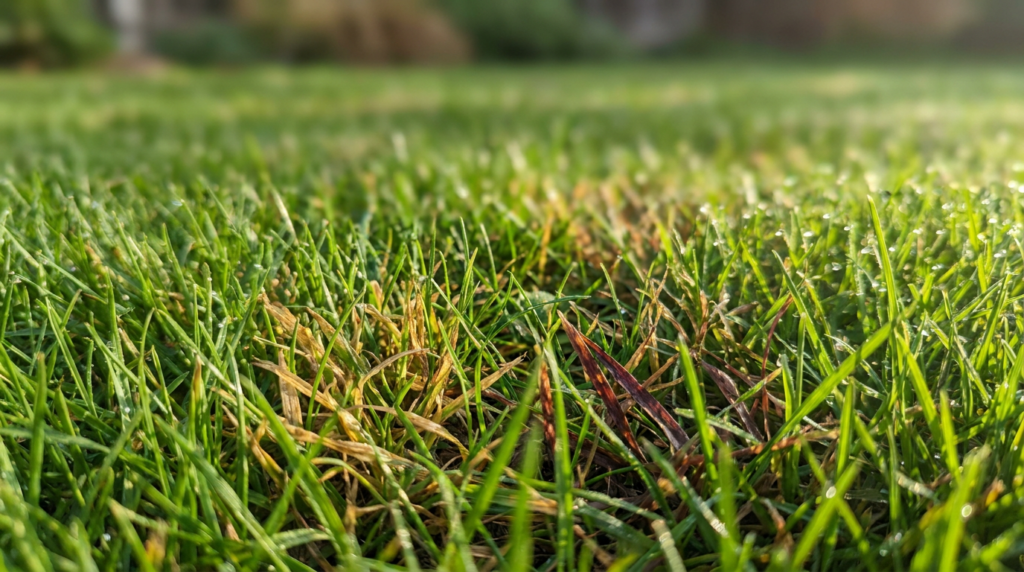
Seeing strange, discolored circles on your Northern Utah lawn can be frustrating, especially after you’ve worked hard to maintain it. These fungal outbreaks can spread quickly, leading to costly renovations if left untreated.
The good news is that lawn diseases are manageable. By understanding the causes and acting quickly, you can reclaim a healthy, resilient yard. Drawing on 25 years of experience in Weber County, we’ve answered the most common questions to help you take control of your lawn’s health.
Quick Answer
Lawn disease control involves a two-part strategy: correcting cultural practices and applying targeted treatments. Most lawn diseases are caused by fungi that thrive in specific environmental conditions, like excessive moisture or improper fertilization. Effective control means first addressing these underlying issues through proper watering and soil health, then using professional-grade fungicides, either preventively or curatively, to eliminate the pathogen and protect the turf.
Table of Contents
- What are the most common lawn diseases to look out for?
- How do I get rid of lawn disease once it appears?
- What is the best time to apply fungicide for lawn disease control?
- Are there natural ways to treat lawn fungus and diseases?
- How can I prevent lawn diseases from recurring?
- When should I call a professional for lawn disease control?
- Frequently Asked Questions
What are the most common lawn diseases to look out for?
Correctly identifying a lawn disease is the first and most critical step toward effective treatment. Different fungi require different treatments, and a misdiagnosis can lead to wasted time and money. In our 25 years of experience in Northern Utah, we consistently see a few key diseases that cause the most damage to local lawns.
Brown Patch: Identification and Causes
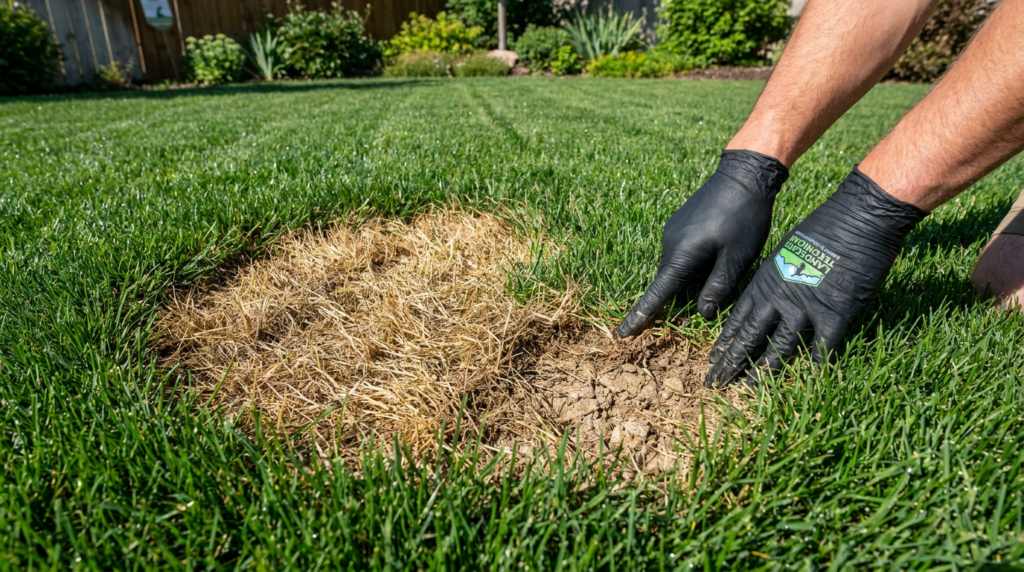
Brown Patch appears as roughly circular patches of brown, tan, or yellow grass, ranging from a few inches to several feet in diameter. You might notice a grayish “smoke ring” around the edge of the patch in the early morning dew. This disease, caused by the fungus Rhizoctonia solani, thrives in the high heat and humidity of Utah’s summer months, especially when lawns are over-fertilized with nitrogen and nights are warm and moist.
Dollar Spot: Recognizing the Symptoms
Dollar Spot presents as small, silver-dollar-sized circles of straw-colored grass that can merge into larger, irregular patches. This disease is a sign that your lawn is stressed, typically due to low nitrogen fertility and drought. If you look closely at the grass blades, you may see distinctive tan lesions with reddish-brown borders. A consistent, well-managed fertilization program is a primary defense against this common issue.
Pro Tip: Dollar Spot and Brown Patch are often confused. The key difference is size and cause. Dollar Spot creates small, bleached-out circles and signals a nutrient deficiency, while Brown Patch creates larger, darker patches and is fueled by excess nitrogen and humidity.
Red Thread and Other Common Fungal Issues
Red Thread is easily identified by the pinkish-red, thread-like strands that grow from the tips of grass blades, giving affected areas a scorched or ragged appearance. It’s often a sign of low-nitrogen soil. Another major offender in our area is Necrotic Ring Spot, a destructive root-infecting fungus that creates distinctive “frog-eye” patches with green centers and dead outer rings. This disease is notoriously difficult to control with DIY methods and often requires professional intervention.
Don’t let a mysterious patch ruin your lawn. Request a free lawn analysis from our experts.
How do I get rid of lawn disease once it appears?
Once you spot the signs of disease, acting quickly can prevent a minor issue from becoming a major lawn renovation project. The right response combines immediate cultural adjustments with targeted treatments to stop the fungus in its tracks and give your lawn a chance to recover.
Immediate Steps for Lawn Disease Control
Your first moves should focus on changing the environment that allowed the fungus to thrive. Adjust your watering schedule immediately to water deeply but infrequently, and only in the early morning so the grass blades can dry during the day. Avoid mowing when the lawn is wet, as this can spread fungal spores across the yard. If possible, gently rake out matted, diseased grass to improve air circulation to the soil.
Types of Treatments: Fungicides vs. Cultural Practices
Cultural practices are your long-term defense, but an active infection often requires a fungicide. Professional treatments come in two main types: contact fungicides, which coat the grass blade to kill surface fungi, and systemic fungicides, which are absorbed by the plant to provide longer-lasting, internal protection. The choice depends on the specific disease and its severity.
A common myth suggests that dish soap can cure lawn diseases. This is false. While Dawn dish soap can act as a surfactant (helping liquids spread), it has no fungicidal properties and can harm the beneficial microbes in your soil, potentially making the problem worse over time. True control comes from proven horticultural science, not household hacks.
What is the best time to apply fungicide for lawn disease control?
Applying fungicide at the right time is just as important as choosing the right product. Timing determines whether you’re preventing a problem before it starts or scrambling to cure an active outbreak. This is where professional expertise makes a significant difference, as application windows are dictated by weather patterns, soil temperature, and the fungus’s life cycle.
Preventative vs. Curative Fungicide Applications
A preventative application is applied before signs of disease appear, typically in yards with a known history of fungal problems. This approach is more effective and less stressful on the lawn than waiting for damage to occur. A curative application is used to stop an already active disease. While necessary, curative treatments are reactive measures and may not reverse damage already done to the turf.
Understanding the Best Application Windows
For the most common lawn diseases in Northern Utah, the prime window for preventive applications is late spring to early summer. This is when soil temperatures rise, creating ideal conditions for fungal spores to germinate. Applying a systemic fungicide during this period provides a protective barrier that shields the lawn through the stressful summer months. For example, according to the Utah State University Extension, preventative treatments for Necrotic Ring Spot are most effective when applied in spring as soil temperatures climb between 60-70°F.
Take the guesswork out of timing your treatments. Ask us about our seasonal disease management programs.
Are there natural ways to treat lawn fungus and diseases?
Many homeowners are interested in organic or natural lawn care methods, aiming to create a healthy yard while minimizing chemical inputs. While these practices are excellent for building long-term resilience, it’s important to have realistic expectations about their ability to combat a severe, active fungal outbreak.
Organic Methods for Disease Prevention
The best natural defense against lawn disease is a healthy, thriving lawn. This is achieved through strong cultural practices. Improving soil health through core aeration reduces compaction and allows air, water, and nutrients to reach the roots. Amending your soil with organic compost can boost beneficial microbial activity that competes with harmful fungi. Ensuring proper drainage and avoiding overwatering are also critical organic steps to create an environment less favorable to disease.
When Natural Solutions Might Not Be Enough
We believe in a complete approach, but we are also honest with our clients. For aggressive diseases like Necrotic Ring Spot or a severe Brown Patch infection, organic methods alone are rarely enough to stop the damage. In these cases, targeted use of professional-grade fungicides is the most responsible and effective way to prevent widespread lawn destruction. A professional service can apply these products precisely, minimizing environmental impact while achieving control.
Curious if our approach is right for you? Get a free, no-pressure quote and custom lawn plan.
How can I prevent lawn diseases from recurring?
Curing a lawn disease is one thing; keeping it from coming back is the ultimate goal. Long-term prevention moves the focus from reactive treatments to proactive care. It’s about creating a lawn so healthy and resilient that fungal pathogens can’t gain a foothold in the first place.
Best Practices for Watering and Mowing
Improper watering is the number one cause of lawn disease. Water deeply 2-3 times per week, not shallowly every day. This encourages deep root growth and allows the grass blades to dry completely, removing the moisture fungi need. Always water in the early morning. Though we don’t offer mowing services, we advise clients to follow the “1/3 rule”: never remove more than one-third of the grass blade height at a time. This reduces stress on the plant, making it less susceptible to disease.
Proper Fertilization and Soil Health for Disease Resistance
A balanced diet is critical for disease resistance. Our custom-blended fertilizer programs are designed to give your lawn exactly what it needs for the current season, avoiding the excess nitrogen that fuels Brown Patch or the deficiencies that invite Dollar Spot. Annual core aeration is essential for breaking up compacted Utah soils, improving drainage, and reducing the thatch layer where fungi can overwinter. This integrated approach builds a strong foundation for long-term health.
When should I call a professional for lawn disease control?
While some minor lawn issues can be managed with cultural adjustments, there are clear signs that it’s time to call for expert help. Trying to DIY a serious fungal problem often leads to more damage and higher costs down the road. Knowing when to escalate is key to protecting your investment.
Recognizing Severe Infestations
You should call a professional if you see rapidly expanding patches, if you’ve tried DIY store products with no success, or if you simply cannot identify the cause of the problem. Diseases like Necrotic Ring Spot are deeply rooted and will not respond to surface-level treatments. An expert can provide a definitive diagnosis and access products that are far more effective than what’s available to consumers.
Benefits of Professional Lawn Disease Control Services
Hiring a professional service like Green Castle Lawn Care gives you more than just a product; it gives you a strategy. Our knowledgeable technicians diagnose the exact issue and apply the correct treatment at the best time for peak effectiveness, ensuring reliable results. As many of our long-time customers note, our team is “reliable and knowledgeable,” and we work to make lawns “look great year after year.” Investing in a seasonal program is the smartest way to manage lawn health proactively. We even offer 10% off when you sign up for a full-season package, making professional care an excellent value.
Ready for a lawn that looks amazing? Contact us for your free professional lawn evaluation.
Frequently Asked Questions
The Bottom Line
Effectively managing lawn disease comes down to three core principles. First, early and accurate identification is critical to stopping a fungus before it causes widespread damage. Second, your best long-term defense is not a chemical but strong cultural practices such as proper watering and balanced nutrition. Finally, for active or recurring infections, partnering with a knowledgeable professional is the surest way to restore your lawn’s health and protect your property value. These simple truths are the foundation of a vibrant, resilient lawn.
Protect Your Lawn Investment with Expert Care
Stop guessing what’s wrong with your lawn and start seeing real results. With 25 years of hands-on experience in Weber County and the surrounding areas, the team at Green Castle Lawn Care and Pest Control has seen every disease Utah’s climate can throw at a lawn. We don’t use one-size-fits-all products; we provide custom-blended treatments and long-term management strategies to ensure your lawn stays healthy all year.
You deserve a beautiful outdoor space without the constant stress and frustration. Let our reliable and knowledgeable team develop a plan tailored to your yard’s specific needs. We combine proven science with local expertise to deliver a lawn you’ll love coming home to.
Ready for a healthy, green, and disease-free lawn? Get your free, no-obligation estimate today.
Related Reads:
- Get Rid Of Necrotic Ring Spot In Utah Lawns Fast
- Targeted Crabgrass Control & Lawn Care Solutions In Utah
- Professional Lawn Aeration & Soil Renewal In Ogden UT
- Expert Lawn Care & Pest Insights

- Lawn Fertilization Comparison: Options & Alternatives - July 23, 2026
- Lawn Disease Control Comparison: Options & Alternatives - July 7, 2026
- Grub Control & Prevention FAQ: Your Lawn Questions Answered - May 14, 2026